


A pet wipe has two parts: a sheet of fabric and the liquid soaked into it. Read both parts of the label, then check the product’s intended use and directions.
The fiber: what the sheet is made of
Turn the pack over and look for the word "nonwoven." That means the sheet was made by bonding loose fibers together instead of weaving thread. Almost every wipe on the shelf is nonwoven. The difference is which fibers went in.
- Polyester and polypropylene are synthetic plastic fibers used in some wipe fabrics.
- Viscose and rayon are regenerated cellulose fibers. The finished fabric’s performance depends on more than the fiber name.
- Cotton and bamboo-derived fibers are other options. Check whether “bamboo” means bamboo-derived viscose rather than raw bamboo fiber.
- Lyocell is a regenerated cellulose fiber. Our wipe fabric uses wood-based VEOCEL™ Lyocell fibers.
Fabric construction also matters. “Spunlace” or “hydroentangled” describes fibers bonded using water jets. Compare the finished wipe’s size, texture and strength alongside the fiber content.
The liquid: what is actually touching your pet
This is the part most people skip, and it is the part that matters for your pet's skin. A wipe is mostly water, then a cleanser, then a preservative to keep the wet pack from growing mold, then whatever the brand adds for scent or softness.
Pets may lick the cleaned area. Check that the complete formula is intended for your pet’s species and that any lick-safety claim covers use as directed.
What to check on the formula label
- Intended use. Check the species, age guidance and areas where the wipe can be used.
- Ingredients. Compare the full list with any sensitivities your vet has identified for your pet.
- Added fragrance. If you prefer none, check the manufacturer’s description and ingredient information.
- Preservatives. They have a role in a wet product. An ingredient category alone does not establish whether the complete formula is suitable.
- Essential oils. Do not add them to a finished wipe or apply concentrated oils to your pet. Ask your vet about suitability if you are unsure.
What ingredients do
- Water provides the liquid base in many wipes.
- Cleansing ingredients help with surface dirt. Assess the complete formula rather than judging by the ingredient source alone.
- Extracts and conditioners can be part of a formula. Their presence does not establish that the product treats a skin condition.
- A preservative system helps protect a wet product during its intended shelf life. Follow the storage and use instructions.
What "lick-safe" and "hypoallergenic" should mean
Lick-safe describes the complete formula during intended use, including incidental licking of the cleaned area. It does not mean the wipe is edible. Keep the pack and used wipes out of reach.
Hypoallergenic does not guarantee that every pet will tolerate a product. Follow the directions and stop using it if irritation develops.
Vet-approved: check what the veterinarian reviewed. Our wipe formula was reviewed and approved by Dr. Paula Simons, DVM.
Can you use baby wipes on a dog or cat?
Choose a wipe labelled for your pet’s species. A product made for human skin does not establish suitability for a dog or cat, including incidental licking after use.
What is in GIVE A SH!T® pet wipes
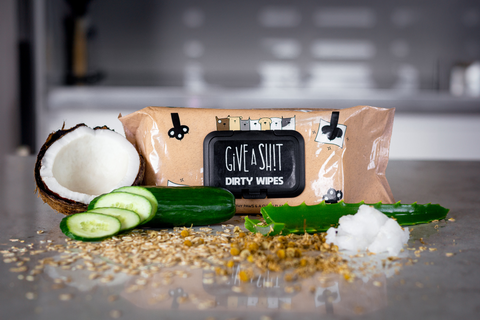
The wipe fabric is made from 100% wood-based VEOCEL™ Lyocell fibers.
GIVE A SH!T® pet wipes are vet-approved, lick-safe and hypoallergenic. No alcohol, no parabens, no Polysorbate-20. Tough on mess. Gentle on skin. No added fragrance. The finished wipe has not been tested for compostability. Dispose of used wipes in the trash.
Need a wipe that holds up on a real paw? GIVE A SH!T® pet wipes are soft, absorbent, and safe for dogs and cats. 10% of profits goes to the Soi Dog Foundation. Shop pet wipes.
How to use a pet wipe well
- Wipe with the grain of the fur, not against it. Less pulling, less fuss.
- For paws, spread the toes and get between the pads. That is where mud and road salt hide.
- Use one wipe per paw on a muddy day. A wipe that is already brown is just moving dirt around.
- Skip the eyes. Use a damp cloth with plain water for eye gunk.
- Do not flush them. Even a good wipe will not break up in your pipes. Trash only.
For a muddy-walk routine that actually works, see our guide to the best dog wipes for paws. Cat people, start with when to use cat wipes and what is safe.

Frequently asked questions
Are pet wipes good for pets?
Pet wipes can help with surface cleanup between baths. Choose a product intended for your pet and use it as directed.
How often can I use pet wipes?
Use them when cleanup is needed and follow the directions. If your pet develops redness or persistent licking, stop using the product and ask your vet.
What is the difference between pet wipes and human wipes?
The intended user and complete formula matter. Check the label rather than assuming that a human wipe is suitable for a pet.
Can I use pet wipes on my cat?
Use a product explicitly labelled for cats and follow its directions. For kittens or a cat with skin concerns, check suitability with your vet.
Why does the fiber matter if the liquid does the cleaning?
The fabric affects the wipe’s feel, strength and texture. Compare those practical features alongside the liquid formula.
Can pet wipes replace a bath?
No. They are for spot cleaning. A dog rolled in something dead still needs the tub. Wipes keep the days between baths tolerable.


